
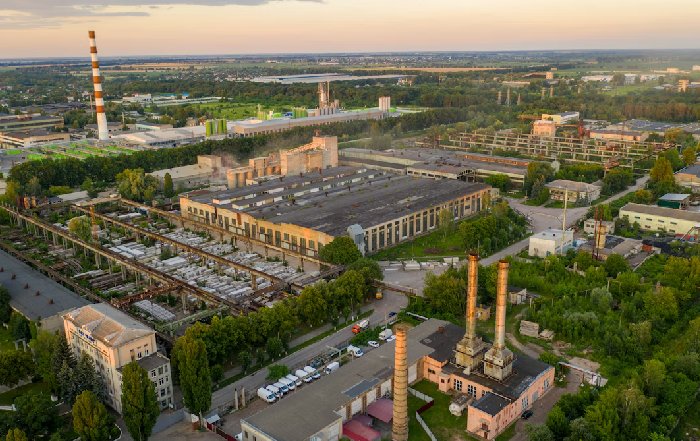
Germany's Blueprint for a Green Industrial Economy
A New Industrial Chapter for Germany and the World
As the world moves deeper into the second half of the 2020s, Germany's attempt to reconcile heavy industry with climate neutrality has become a reference point for policymakers, investors and corporate leaders from North America to Asia. Once primarily defined by its automotive giants, chemical conglomerates and precision engineering, the German economy is now attempting something far more complex: constructing a green industrial model that maintains global competitiveness while delivering on the European Union's legally binding climate targets and the Paris Agreement. For finance news readers of dailybusinesss.com, whose interests span AI, finance, markets, founders, trade and sustainability, Germany's evolving strategy offers not just a case study in policy design, but a living laboratory for how advanced economies might rewire themselves under the pressure of decarbonization, digitalization and geopolitical fragmentation.
Germany's blueprint is not a single law or program; it is a dense web of climate legislation, industrial policy, infrastructure investment, digital transformation and financial innovation, all operating within the broader framework of the European Union's Green Deal. Understanding how this system works in practice, and where it still struggles, is essential for decision-makers in the United States, the United Kingdom, Canada, Australia, Singapore and beyond who are facing similar challenges in aligning economic resilience with net-zero commitments. In this context, dailybusinesss.com positions itself as a bridge between high-level strategy and the operational realities faced by executives, founders and investors navigating this transition in real time.
The Strategic Foundations of Germany's Green Industrial Turn
Germany's green industrial strategy has been shaped by overlapping forces: the legally binding climate neutrality target for 2045, the EU Green Deal, Russia's invasion of Ukraine and the resulting energy shock, and intensifying competition from the United States and China in clean technologies. The German Climate Change Act set the initial trajectory by mandating steep emissions reductions across sectors, while the EU's Fit for 55 package tightened the regulatory framework, expanded carbon pricing and accelerated the phase-out of internal combustion engines. These measures created a powerful signal to industry that decarbonization was no longer optional but a structural requirement of doing business in Europe. Learn more about the policy architecture behind European climate action at European Commission climate policies.
At the same time, the U.S. Inflation Reduction Act introduced large-scale subsidies for clean energy and low-carbon manufacturing, triggering concerns in Berlin and Brussels about industrial relocation and subsidy competition. German policymakers responded by doubling down on a domestic green industrial agenda that combines support for renewable energy, hydrogen infrastructure, battery manufacturing, semiconductor production and low-carbon heavy industry. For a global view of how industrial policy is reshaping energy and manufacturing, readers can explore analysis from the International Energy Agency.
Within this broader context, dailybusinesss.com has increasingly focused on how German and European policy choices are influencing global capital flows, corporate strategy and employment patterns, especially in sectors such as automotive, chemicals, machinery and advanced materials that are central to international trade and supply chains.
Renewable Power and the Electrification of Industry
The foundation of Germany's green industrial economy is the rapid expansion of renewable electricity and the parallel electrification of industrial processes. Over the past decade, Germany has shifted from a coal- and nuclear-heavy mix toward wind and solar, yet the energy crisis of 2022-2023 exposed vulnerabilities in gas supply and grid capacity that forced a rethinking of both speed and scale. The government's current ambition is to reach an 80 percent share of renewables in electricity consumption by 2030, with an emphasis on offshore wind in the North Sea and Baltic Sea and large-scale solar installations on rooftops and industrial sites. Up-to-date data on Germany's energy transition can be examined via Agora Energiewende.
For energy-intensive industries such as steel, aluminum, cement and chemicals, electrification is both an opportunity and a risk. On one hand, access to abundant, low-cost renewable electricity can become a decisive competitive advantage, especially for companies that can switch to electric arc furnaces, heat pumps, or electric cracking technologies. On the other hand, intermittent supply, grid bottlenecks and high industrial power prices can undermine investment decisions and drive production to regions with cheaper energy. Investors and corporate strategists following these dynamics can deepen their understanding through sectoral insights from BloombergNEF.
The German government has responded by proposing "climate contracts for difference" and targeted electricity price relief for particularly exposed industries, while accelerating grid expansion and cross-border interconnectors to neighboring countries such as Denmark, the Netherlands and France. For readers of dailybusinesss.com, these developments intersect directly with themes covered in its dedicated sections on energy and climate economics and technology-driven industrial transformation, where the financial and strategic implications of electrification are analyzed through a global lens.
Hydrogen, Steel and the Reinvention of Heavy Industry
Hydrogen has become one of the central pillars of Germany's blueprint for decarbonizing heavy industry, particularly steel, chemicals and refining. The country's National Hydrogen Strategy, revised and expanded in the mid-2020s, envisions a large-scale ramp-up of green hydrogen production based on renewable electricity, complemented by imports from regions with abundant solar and wind resources such as North Africa, the Middle East and parts of Australia. Readers can explore the global hydrogen landscape through the Hydrogen Council.
German steelmakers, including thyssenkrupp Steel Europe and Salzgitter AG, are investing in direct reduced iron (DRI) plants that can operate initially on natural gas and later transition to hydrogen, with the goal of producing near-zero-emission steel for automotive and construction customers in Germany, the United Kingdom, Sweden and beyond. This transition is backed by substantial public funding under EU state aid rules and the Important Projects of Common European Interest (IPCEI) framework, which allows governments to support strategic cross-border projects in areas such as hydrogen, batteries and microelectronics. Further information on EU industrial initiatives can be found at European Commission industrial policy.
The chemicals sector, anchored by companies such as BASF, is pursuing a combination of electrified production processes, alternative feedstocks and carbon capture and utilization to reduce emissions while maintaining its position in global value chains. This transformation carries significant implications for employment in regions like North Rhine-Westphalia and Lower Saxony, where industrial clusters have long provided high-wage jobs and export revenues. Readers interested in how these shifts intersect with labor markets and skills development can follow coverage in dailybusinesss.com's employment and future of work section, which analyses workforce transitions in Germany, Scandinavia, North America and Asia.
Finance, Capital Markets and the Cost of Transition
No green industrial strategy can succeed without a robust financial architecture that channels capital into low-carbon infrastructure, innovation and corporate restructuring. Germany's financial sector, anchored by institutions such as Deutsche Bank, Commerzbank and a dense network of regional savings banks and cooperative lenders, has been under pressure to align portfolios with climate goals while maintaining profitability and risk discipline. The European Central Bank's work on climate-related financial risks and the EU Taxonomy for Sustainable Activities have pushed banks, insurers and asset managers to improve disclosure and adjust their lending and investment criteria. Learn more about evolving sustainable finance standards at the European Central Bank climate centre.
At the same time, the rise of green bonds, sustainability-linked loans and transition finance instruments has created new opportunities for German corporates to fund decarbonization projects, from offshore wind farms in the North Sea to low-carbon cement plants in Bavaria. Global investors, including pension funds from Canada, the Netherlands and Australia, as well as sovereign wealth funds from Asia and the Middle East, are increasingly active in these markets, seeking stable, long-term returns aligned with climate objectives. For in-depth coverage of how these instruments are reshaping capital allocation, readers can turn to dailybusinesss.com's dedicated finance and markets insights and its complementary investment coverage.
Yet the cost of transition remains a contentious issue in Germany's public debate. Small and medium-sized enterprises, which form the backbone of the Mittelstand, often lack the internal capacity to navigate complex funding programs or to quantify climate-related risks and opportunities. This has spurred the growth of advisory firms, fintech platforms and specialized funds that support SMEs in developing credible decarbonization plans and accessing green finance. International benchmarks and best practices on climate risk management and disclosure can be explored via the Task Force on Climate-related Financial Disclosures.
AI, Digitalization and Smart Manufacturing in a Green Context
A defining feature of Germany's blueprint is the integration of artificial intelligence and advanced digital technologies into the core of its green industrial strategy. Building on the concept of Industrie 4.0, German manufacturers are deploying AI-driven predictive maintenance, digital twins, advanced robotics and real-time energy optimization to reduce waste, improve efficiency and lower emissions across production lines. These tools not only cut costs but also provide the data transparency required to comply with tightening regulatory standards and customer demands for verified low-carbon products. For a broader overview of AI's industrial applications, readers can consult OECD AI policy resources.
AI also plays a growing role in grid management, renewable forecasting and demand response, enabling Germany to integrate higher shares of variable wind and solar while maintaining system stability. Startups and established firms are developing platforms that coordinate industrial loads, electric vehicle charging and distributed storage, turning factories, logistics centers and office buildings into active participants in the energy system. This convergence of energy and digital infrastructure is a recurring theme in dailybusinesss.com's AI and technology coverage and its broader technology and innovation reporting, which track how data-driven solutions are reshaping value creation across sectors.
The success of this digital layer depends heavily on secure, high-capacity connectivity and strong cyber resilience. As industrial systems become more interconnected, the risk of cyberattacks with physical consequences increases, prompting closer coordination between companies, regulators and security agencies. Global businesses monitoring these risks and opportunities can find further analysis at World Economic Forum cyber and energy insights.
Trade, Geopolitics and the Global Dimension of Germany's Strategy
Germany's green industrial economy cannot be understood in isolation from global trade and geopolitical dynamics. As one of the world's leading export nations, Germany relies on open markets in the United States, the United Kingdom, China and emerging economies across Asia, Africa and South America, while simultaneously facing rising trade tensions, industrial subsidies and strategic rivalry between major powers. The EU Carbon Border Adjustment Mechanism (CBAM), which gradually places a carbon price on certain imports such as steel, aluminum and fertilizers, is a central instrument in this context, designed to prevent carbon leakage and create a level playing field for European producers subject to stringent climate regulation. Detailed information on CBAM and its implementation is available from European Commission CBAM resources.
This mechanism, however, has implications for trading partners in regions like Southeast Asia, South America and Africa, where exporters may need to adapt production processes or face higher costs when accessing the EU market. For globally oriented readers of dailybusinesss.com, especially those following world and trade developments and international trade policy trends, Germany's approach illustrates how climate policy is increasingly intertwined with trade negotiations, supply chain strategies and foreign direct investment decisions.
Germany's blueprint also includes a strong emphasis on securing critical raw materials for batteries, wind turbines, solar panels and hydrogen technologies, often in partnership with countries such as Canada, Australia, Norway, Chile and Namibia. These efforts are linked to the EU Critical Raw Materials Act and broader initiatives to diversify supply chains away from excessive dependence on single suppliers. For context on the global raw materials landscape, readers can consult the International Renewable Energy Agency.
Urban Mobility, Automotive Transformation and the Role of Travel
The transformation of Germany's automotive sector, led by companies such as Volkswagen, Mercedes-Benz Group and BMW, is one of the most visible elements of its green industrial strategy. The shift toward electric vehicles, software-defined cars and new mobility services is reshaping not only manufacturing plants in Bavaria, Baden-Württemberg and Saxony, but also urban planning, charging infrastructure and travel behavior across Europe and North America. Policies at EU level, including the planned phase-out of new internal combustion engine car sales, have accelerated this shift, while global competition from Tesla and emerging Chinese EV manufacturers has raised the stakes for German incumbents. Readers can follow global mobility trends through analysis from the International Transport Forum.
For cities in Germany, the Netherlands, France, Spain and Italy, the rise of electric mobility intersects with broader efforts to redesign transport systems around public transit, cycling and shared mobility, reducing congestion and improving air quality. These changes directly affect business travel patterns, logistics networks and tourism flows, areas that dailybusinesss.com explores in its travel and mobility coverage. The integration of smart charging, vehicle-to-grid technology and AI-based traffic management further illustrates the convergence between transport, energy and digital infrastructure that defines Germany's approach.
Startups, Founders and the Innovation Ecosystem
While large industrial champions attract most of the headlines, Germany's green industrial blueprint also relies on a vibrant ecosystem of startups, research institutions and mid-sized technology firms. Climate-tech founders in Berlin, Munich, Hamburg and the Rhine-Ruhr region are working on solutions ranging from next-generation batteries and power electronics to carbon accounting platforms, circular materials and AI-driven energy optimization. These ventures often emerge from or collaborate closely with leading research organizations such as the Fraunhofer Society and Max Planck Society, as well as technical universities in Munich, Aachen, Berlin and Karlsruhe. Insights into Germany's research and innovation landscape can be found at the German Federal Ministry of Education and Research.
Access to capital remains a critical challenge and opportunity for these founders, especially in comparison with the more mature venture ecosystems of the United States and parts of Asia. European and German initiatives to deepen capital markets, promote green venture funds and attract international investors are therefore an integral part of the broader industrial strategy. For readers of dailybusinesss.com, this intersection of entrepreneurship, technology and sustainability is explored in depth in its founders and startup section, which highlights how climate-focused innovation is reshaping business models from Europe to North America and Asia-Pacific.
Social License, Employment and Regional Cohesion
No industrial transformation can succeed without social acceptance and a credible path for workers and communities affected by structural change. Germany's experience with coal phase-out in regions such as Lusatia and the Rhineland has underscored the need for long-term planning, targeted investment and social dialogue among unions, employers and governments. The country's green industrial blueprint therefore includes measures to support reskilling, vocational training and regional development, aiming to ensure that new green industries create quality jobs in areas that previously depended on fossil-based activities. Comparative perspectives on just transition policies can be explored via the International Labour Organization.
The challenge is particularly acute in industries such as automotive components, where the shift to electric drivetrains reduces the number of parts and alters the skills required, with implications for suppliers in Germany, the Czech Republic, Slovakia, Italy and Spain. Policymakers and business leaders must manage this transition carefully to avoid social backlash that could undermine climate policy and industrial competitiveness. dailybusinesss.com regularly examines these issues in its employment and labor market analysis, connecting developments in Germany with similar debates in the United States, the United Kingdom, South Korea, Japan and emerging economies.
Governance, Measurement and Trust in the Transition
A central question for investors, partners and citizens is whether Germany's green industrial blueprint is credible and on track. This requires transparent governance, robust data and independent evaluation of progress. Germany's climate targets are monitored by expert councils and embedded in EU-wide reporting systems, while corporate climate strategies are increasingly scrutinized by regulators, shareholders and civil society. The rise of standardized ESG reporting frameworks, climate scenario analysis and science-based targets has improved comparability and accountability, though concerns about greenwashing and inconsistent metrics persist. Guidance on corporate climate target setting can be explored through the Science Based Targets initiative.
Trust in the transition also depends on regulatory stability and policy coherence. Businesses investing in long-lived assets such as hydrogen-ready steel plants or offshore wind farms require confidence that carbon prices, subsidy regimes and permitting procedures will not shift unpredictably. Germany's efforts to streamline permitting, accelerate planning for energy and transport infrastructure, and coordinate federal and state-level policies are therefore critical components of its blueprint, even if they attract less attention than headline-grabbing technology announcements. For readers of dailybusinesss.com, these governance aspects are as important as the technological and financial dimensions, since they shape the risk landscape for global investors and corporate strategists.
What Germany's Blueprint Means for Global Business
Germany's emerging green industrial economy is not a finished product; it is a moving target shaped by technological breakthroughs, geopolitical shifts and evolving societal expectations. Nonetheless, it already offers valuable lessons for business leaders and policymakers in North America, Europe, Asia and beyond. It demonstrates that decarbonization in an advanced industrial economy is possible without abandoning manufacturing, but it also illustrates the complexity, cost and political sensitivity of such a transformation. Companies in the United States, the United Kingdom, Canada, Australia, Japan, South Korea and major emerging markets can draw on Germany's experience to design their own strategies, whether in terms of integrating AI into energy-intensive operations, leveraging green finance instruments, or navigating the intersection of climate policy and international trade.
For the loyal audience of dailybusinesss.com, which spans sectors from finance and crypto to travel and tech, Germany's blueprint serves as a real-time case study in how climate, digitalization and globalization are reshaping the fundamentals of business. Its evolution will continue to influence investment decisions, supply chain design, market access and regulatory compliance across continents. By following developments in Germany alongside parallel transitions in regions such as North America, Scandinavia and East Asia, readers can better anticipate the opportunities and risks that will define the next decade of global commerce and industrial strategy.
