Sweden's Economic Model and the Future of Business Growth
Sweden's Economic Model at a Turning Point
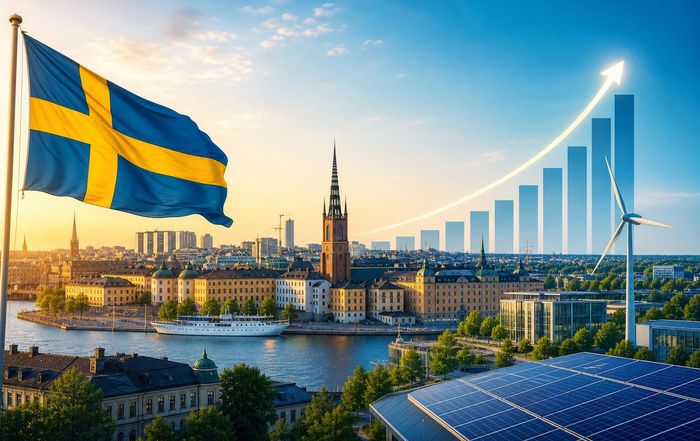
Sweden's economic model stands at a critical juncture that is attracting intense interest from executives, investors and policymakers across the world who follow us for insight into how advanced economies adapt to structural change. Long regarded as a benchmark for combining market dynamism with social protection, Sweden is once again testing the boundaries of what a small, open and highly innovative economy can achieve in an era of technological disruption, geopolitical fragmentation and tightening climate constraints. The country's experience offers a revealing lens on how business growth might evolve in the coming decade, not only in Scandinavia but across Europe, North America and key markets in Asia where similar pressures are reshaping corporate strategy and public policy.
Sweden's distinctive balance of competitive markets, coordinated wage setting and extensive welfare provision has often been described as a "social investment state" rather than a traditional welfare system, a model that channels public resources into education, innovation and active labour-market policies rather than merely cushioning citizens from risk. For global readers of DailyBusinesss.com, this makes Sweden a real-time case study in how to sustain productivity growth while preserving social cohesion, an issue that is increasingly central to debates about long-term competitiveness from the United States and United Kingdom to Germany, Canada, Australia and beyond. As multinational firms reassess their European footprints and investors search for resilient growth stories, understanding the foundations and future trajectory of Sweden's economic model has become a strategic necessity rather than a purely academic exercise.
Historical Foundations of Sweden's Economic Success
Sweden's contemporary business landscape is rooted in a long history of export-led industrialisation, institutional experimentation and pragmatic compromise between labour, capital and the state. From the late nineteenth century onwards, the country transformed itself from a relatively poor agrarian society into a hub of advanced engineering and manufacturing, with firms such as Ericsson, SKF, Atlas Copco and Volvo building globally competitive positions in telecommunications, industrial components and automotive production. This export orientation, reinforced by the country's geographic position and small domestic market, embedded an outward-looking mindset in Swedish corporate culture that remains visible today in the international reach of its multinational enterprises.
The post-war era consolidated this trajectory through a distinctive combination of centralised wage bargaining, strong unions and employer organisations, and an activist state that invested heavily in education, infrastructure and research. Analysts at institutions such as the OECD and World Bank have long highlighted how this model helped Sweden achieve high levels of productivity, relatively low inequality and robust social mobility, even as it navigated shocks such as the financial crisis of the early 1990s. For readers exploring broader economic context on DailyBusinesss.com, the Swedish case illustrates how institutional design can shape long-run growth trajectories in ways that go beyond short-term fiscal or monetary policy choices.
At the same time, Sweden's institutions have never been static. The financial crisis of the 1990s triggered sweeping reforms in banking regulation, fiscal policy and pension systems, laying the foundations for today's strong public finances and resilient macroeconomic framework. Those reforms, combined with early liberalisation of telecoms and energy markets, created an environment in which digital entrepreneurship and new business models could flourish. This capacity for adaptation, rather than any singular policy, underpins Sweden's economic resilience and is central to any forward-looking assessment of its business prospects.
The Contemporary Structure of the Swedish Economy
By 2026, Sweden's economy is characterised by a sophisticated mix of advanced manufacturing, knowledge-intensive services and a dynamic technology and startup ecosystem that punches well above the country's demographic weight. Manufacturing remains a critical pillar, with companies such as Volvo Group, Volvo Cars, Scania, ABB and Sandvik playing central roles in global value chains across automotive, heavy machinery, electrification and industrial automation. At the same time, Sweden has become synonymous with high-growth digital platforms and software firms, from Spotify and Klarna to a new generation of fintech, gaming and healthtech companies that continue to emerge from Stockholm, Gothenburg, Malmö and Uppsala.
The country's economic structure is also shaped by its deep integration into European and global markets. As a member of the European Union but not of the euro area, Sweden operates with its own currency while benefiting from access to the EU single market, a combination that gives it both flexibility and exposure. Businesses based in Sweden depend heavily on trade with the rest of Europe, the United States, the United Kingdom and increasingly Asia, making developments in global trade policy and supply-chain resilience a constant concern for corporate leaders and policymakers tracking international dynamics through platforms such as DailyBusinesss.com and the World Trade Organization.
Services, including business services, finance, logistics and creative industries, have grown in importance, supported by high levels of digital infrastructure and human capital. Sweden consistently ranks near the top of indices such as the World Economic Forum competitiveness assessments and the UN Human Development Index, reflecting its strong education outcomes, institutional quality and innovation capacity. For executives considering cross-border investment, these rankings are not mere vanity metrics but indicators of the risk-adjusted environment for long-term capital deployment, a theme regularly explored in the investment coverage on DailyBusinesss.com and its dedicated section on investment trends.
Innovation, Technology and the Digital Economy
Sweden's reputation as a digital frontrunner is now firmly established, and its experience provides important lessons for businesses and policymakers grappling with the disruptive potential of artificial intelligence, cloud computing and data-driven business models. Building on early liberalisation of telecommunications and widespread broadband deployment, Sweden has fostered an ecosystem in which entrepreneurs can scale quickly, attract global capital and leverage a highly connected domestic market as a testbed for new products and services. The rise of Spotify, King, Klarna and other technology firms has turned Stockholm into one of Europe's leading hubs for unicorns on a per capita basis, rivalling much larger cities in the United Kingdom, Germany and France.
In 2026, attention is increasingly focused on how Swedish firms are integrating advanced AI and automation into both digital and traditional industries. From predictive maintenance in manufacturing to algorithmic credit scoring in fintech and personalised medicine in healthtech, Swedish companies are experimenting with applications that could redefine productivity and value creation. Readers seeking deeper analysis of these trends can explore AI-focused coverage on DailyBusinesss.com and its dedicated AI insights, which track how emerging technologies intersect with business strategy and regulatory developments across key markets.
The country's innovation system is supported by strong universities and research institutes, including KTH Royal Institute of Technology, Chalmers University of Technology and Karolinska Institutet, as well as public agencies such as Vinnova, which provides funding for research and innovation projects. International comparisons from organisations like the European Commission and the European Innovation Scoreboard consistently place Sweden among the EU's top performers in R&D intensity and patenting activity. For global corporations evaluating where to locate research centres or digital operations, Sweden's combination of technical talent, regulatory stability and quality of life continues to be a powerful attractor, even as competition from hubs in the Netherlands, Ireland, Singapore and South Korea intensifies.
Labour Markets, Skills and Employment Dynamics
Any assessment of Sweden's future business growth must grapple with the distinctive features of its labour-market institutions, which blend flexibility with security in ways that differ markedly from both Anglo-American and continental European models. Collective bargaining remains central, with sectoral agreements between unions and employer organisations setting wage floors and working conditions for a large share of the workforce. At the same time, Sweden has pursued reforms to reduce rigidities and encourage mobility, including adjustments to employment protection legislation and a strong emphasis on active labour-market policies that help workers transition between jobs.
For readers following employment trends on DailyBusinesss.com and its employment coverage, Sweden offers a live experiment in how to manage technological disruption without triggering the levels of polarisation and precarity seen in some other advanced economies. High union density and social dialogue have facilitated agreements on issues such as training, reskilling and working-time flexibility, which are increasingly critical as AI and automation reshape tasks across manufacturing, services and the public sector. International organisations such as the International Labour Organization and Eurofound have highlighted Sweden's approach to lifelong learning and adult education as a potential reference point for countries grappling with similar challenges.
However, Sweden is not immune to labour-market pressures. Skill shortages in areas such as software development, engineering, healthcare and green technologies are becoming more acute, prompting debates over immigration policy, vocational education and the integration of foreign-born workers. Demographic ageing, while less pronounced than in some other European countries, is beginning to weigh on labour supply and public finances. For businesses operating in Sweden or considering entry, these dynamics shape both recruitment strategies and long-term workforce planning, reinforcing the importance of partnerships with educational institutions and proactive talent management.
Fiscal Stability, Finance and Investment Climate
A defining feature of Sweden's economic model since the 1990s has been its commitment to fiscal discipline and macroeconomic stability, underpinned by a rules-based framework that includes a surplus target for public finances and an independent central bank. This approach has given Sweden significant room to manoeuvre in responding to crises, from the global financial turmoil of 2008-2009 to the pandemic shock of 2020-2021, without undermining investor confidence. International observers, including the International Monetary Fund and credit rating agencies, have consistently highlighted Sweden's strong public balance sheet as a source of resilience in a volatile global environment.
For corporate leaders and investors who rely on DailyBusinesss.com and its finance and markets sections for timely analysis, Sweden's fiscal and monetary framework reduces macroeconomic tail risk and enhances predictability for long-term planning. The country's financial sector, anchored by major banks such as Swedbank, SEB, Nordea and Handelsbanken, plays a central role in channeling savings into productive investment, both domestically and across the Nordic-Baltic region. At the same time, Sweden has become a significant hub for venture capital and private equity activity in Northern Europe, with investors attracted by the depth of its startup ecosystem and the export potential of its technology and industrial firms.
Looking ahead, the investment climate will be shaped by how Sweden navigates emerging challenges such as rising interest rates, global tax reforms and evolving sustainability disclosure requirements. Initiatives at the Bank for International Settlements and Financial Stability Board on topics such as climate-related financial risks and digital assets are already influencing regulatory debates in Stockholm, with implications for banks, insurers, asset managers and fintechs. Businesses that operate across borders must increasingly align their capital allocation and risk management practices with these evolving frameworks, an area where cross-market insights from platforms like DailyBusinesss.com and its finance and economics coverage have become indispensable.
Sustainability, Climate Policy and Green Growth
Sweden has long positioned itself as a leader in environmental policy and sustainable business, and this orientation is becoming even more central to its economic strategy as global decarbonisation efforts accelerate. The country has set ambitious climate targets, including achieving net-zero greenhouse gas emissions by 2045, and has implemented carbon pricing mechanisms and regulatory frameworks that encourage innovation in clean technologies, energy efficiency and circular economy models. This policy environment has spurred investment in areas such as renewable energy, battery manufacturing, sustainable forestry and low-carbon industrial processes.
For global businesses seeking to understand how climate policy is reshaping competitive dynamics, Sweden's experience offers valuable insight into the opportunities and trade-offs associated with a rapid green transition. Companies like Northvolt, which is building large-scale battery production capacity in northern Sweden, illustrate how climate ambition can attract significant capital and create new industrial clusters with global reach. Organisations such as the International Energy Agency and Stockholm Environment Institute provide additional context on how Sweden's energy mix and emissions trajectory compare with those of other advanced economies, helping investors assess the credibility and impact of national climate strategies.
Within the editorial focus of DailyBusinesss.com, sustainability is not treated as a niche concern but as a core driver of long-term business value and risk management. The platform's dedicated sustainable business coverage reflects a growing recognition among executives and boards that environmental, social and governance considerations are integral to capital allocation, supply-chain design and brand positioning. Sweden's leadership in areas such as green bonds, sustainable urban planning and climate-smart agriculture underscores how regulatory frameworks, financial innovation and corporate strategy can reinforce one another to create new avenues for growth.
Founders, Entrepreneurship and the Startup Ecosystem
Beneath the surface of Sweden's large multinational corporations lies a vibrant entrepreneurial ecosystem that has become a key driver of innovation, employment and export growth. The country's startup scene benefits from a combination of factors: high levels of digital literacy, a strong engineering and design tradition, accessible public services, and a culture that, despite traditional stereotypes of risk aversion, increasingly celebrates entrepreneurial success and tolerates failure. Co-working spaces, accelerators and incubators across Stockholm, Gothenburg and Malmö have become crucibles for collaboration between founders, investors and corporate partners.
For readers of DailyBusinesss.com who follow founder stories and venture trends through the platform's founders and business sections, Sweden offers a rich set of case studies on how to scale globally from a relatively small home market. The success of companies such as Spotify, iZettle (now part of PayPal), Tink and Kry demonstrates how Swedish startups have leveraged design excellence, regulatory clarity and early adoption of digital tools to compete with giants from the United States, United Kingdom, China and elsewhere. International resources like Startup Genome and Crunchbase further document Sweden's position in the global startup landscape, highlighting its strengths in fintech, gaming, healthtech and climate tech.
The next phase of ecosystem development will likely focus on deeptech, industrial AI and climate-focused ventures that build on Sweden's manufacturing base and research capabilities. This shift will require sustained collaboration between universities, corporates, investors and government agencies to bridge the gap between lab and market. It will also demand new forms of patient capital and risk-sharing mechanisms that can support longer development cycles than those typical of consumer-facing digital startups. How Sweden addresses these challenges will influence not only its domestic growth prospects but also its role in shaping European competitiveness in strategic technologies.
Global Integration, Geopolitics and Trade
Sweden's openness to trade and investment has long been a cornerstone of its economic model, but this openness now faces new tests as geopolitical tensions and industrial-policy rivalries reshape the global business environment. The country's export-oriented firms are deeply embedded in value chains that span Europe, North America and Asia, making them sensitive to shifts in trade policy, sanctions regimes and regulatory standards. Developments in the relationship between the European Union, the United States and China, as well as regional dynamics in Asia and the Indo-Pacific, are therefore closely monitored by Swedish executives and policymakers, many of whom rely on global analysis from sources such as DailyBusinesss.com and international outlets like the Financial Times and The Economist.
Sweden's recent moves in security and foreign policy, including closer cooperation with NATO allies and a reassessment of its defence posture, have implications for sectors ranging from defence and cybersecurity to energy and critical raw materials. At the same time, the European Union's evolving trade and industrial policies, including initiatives on strategic autonomy, digital regulation and sustainable supply chains, are reshaping the regulatory environment in which Swedish firms operate. Businesses with global operations must increasingly navigate a complex matrix of trade agreements, export controls and compliance requirements, making high-quality analysis of world and trade developments and trade policy essential for informed decision-making.
For emerging markets in Asia, Africa and South America, Sweden's economic engagement often takes the form of investment in infrastructure, telecommunications, clean energy and financial services, supported by institutions such as Swedfund and Business Sweden. These relationships are likely to deepen as Swedish firms seek growth opportunities beyond mature markets and as partner countries look for technology and financing that support sustainable development. International frameworks such as the UN Sustainable Development Goals provide a shared reference point for these collaborations, aligning commercial objectives with broader societal outcomes.
The Role of Crypto, Fintech and Digital Finance
While Sweden is best known for its traditional strengths in manufacturing and engineering, it has also become an important player in the evolution of digital finance and, to a more measured extent, cryptoassets and blockchain technologies. The country's high level of digital payments adoption, exemplified by the widespread use of mobile solutions such as Swish, has made it a testbed for discussions about cashless societies, central bank digital currencies and the future of retail banking. The Sveriges Riksbank has been among the more advanced central banks in exploring a potential e-krona, contributing to global debates on monetary innovation that are closely followed by financial professionals and technologists worldwide.
For readers interested in crypto and digital assets, Sweden's cautious but engaged stance offers a contrast to both more permissive and more restrictive jurisdictions. Regulators have sought to strike a balance between fostering innovation in areas such as tokenisation, decentralised finance and digital identity, while addressing concerns about financial stability, consumer protection and environmental impact. International bodies such as the European Securities and Markets Authority and the Bank for International Settlements continue to shape the frameworks within which Swedish authorities operate, particularly as the European Union implements comprehensive regulations for cryptoasset markets.
On DailyBusinesss.com, coverage of crypto and digital finance is integrated with broader analysis of fintech, banking and capital markets, reflecting the reality that these domains are converging rather than existing in isolation. Swedish fintech firms, from payment providers to neobanks and regtech startups, are at the forefront of this convergence, developing solutions that could be deployed across Europe, North America and Asia as regulatory clarity improves and institutional adoption grows.
Needs of Global Business and Investors
For the business and professional followers, the core question is what Sweden's evolving economic model implies for business growth and investment opportunities over the coming decade. Several themes stand out. First, Sweden's combination of macroeconomic stability, institutional quality and innovation capacity positions it as a relatively low-risk but high-potential environment for long-term investment, particularly in sectors aligned with structural trends such as digitalisation, decarbonisation and ageing populations. Second, the country's small domestic market continues to push Swedish firms to design products and business models with global scalability in mind from the outset, making them attractive partners and acquisition targets for multinational corporations seeking to refresh their portfolios.
Third, Sweden's approach to labour markets, education and social protection offers a potential blueprint for companies and policymakers grappling with the disruptive effects of AI and automation on employment and skills. While no model is directly transferable across borders, understanding how Swedish institutions manage trade-offs between flexibility and security can inform debates in countries from the United States and United Kingdom to Japan and Brazil. Fourth, Sweden's leadership in sustainable business practices and climate policy underscores the growing convergence between environmental responsibility and competitive advantage, a convergence that is reshaping capital markets, consumer expectations and regulatory regimes worldwide.
Finally, Sweden's experience highlights the importance of agility and continuous adaptation in an era of rapid change. The country has reinvented its economic model more than once in the past century, and it is now engaged in another round of transformation as it responds to technological disruption, geopolitical shifts and climate imperatives. For executives, founders and investors who rely new news for insight into global business, finance and technology trends, Sweden's trajectory offers both concrete opportunities and broader strategic lessons on how to build resilient, innovative and socially legitimate businesses in an increasingly complex world.
