
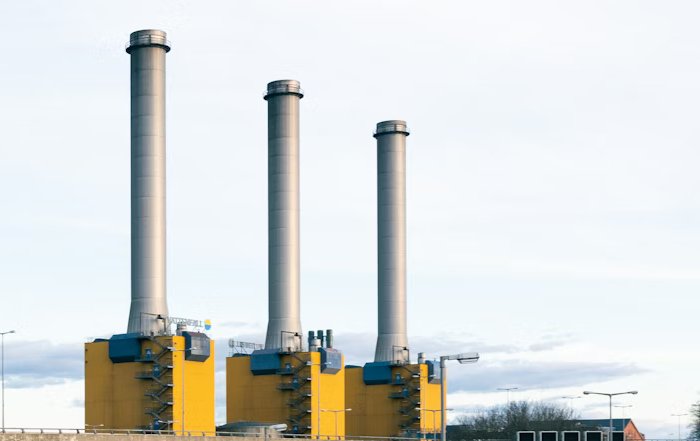
Germany's Industrial Base Confronts the Energy Transition
A Pivotal Decade for Europe's Manufacturing Engine
As 2026 unfolds, Germany's industrial core stands at one of the most consequential inflection points in its post-war history, with the country's long-dominant manufacturing model forced to adapt to a structural energy transition that is reshaping costs, competitiveness, and capital allocation not only in Germany, but across Europe, North America, and Asia. For readers of DailyBusinesss who follow developments in AI, finance, business, crypto, economics, employment, and global trade, Germany's experience offers a real-time case study in how a mature industrial economy attempts to decarbonize without eroding the foundations of its prosperity.
Germany's industrial strength has historically rested on a combination of engineering excellence, an export-oriented Mittelstand, stable institutions, and abundant access to relatively affordable energy, particularly Russian pipeline gas. The disruption of that energy paradigm since 2022, combined with escalating climate ambition under the European Union's Green Deal, has forced German policymakers and corporate leaders to redesign the country's energy and industrial strategy simultaneously. As the energy transition accelerates, the question for investors, founders, and executives is no longer whether German industry will change, but whether it can change fast enough while preserving competitiveness and social cohesion.
For context on Germany's macroeconomic environment and evolving industrial policy, readers can explore broader analysis of global economic trends and world business developments on DailyBusinesss, which frequently examines how shifting energy dynamics intersect with markets, policy, and innovation.
From "Energiewende" to Industrial Stress Test
Germany's Energiewende, the long-running policy framework to shift from nuclear and fossil fuels toward renewables, has been underway for more than a decade, but the geopolitical shock triggered by Russia's invasion of Ukraine turned a gradual transition into a high-stakes stress test. The sudden loss of cheap pipeline gas, which had underpinned the competitiveness of sectors such as chemicals, metals, and automotive supply chains, forced companies to confront energy price volatility at a scale not seen in decades.
According to data from the International Energy Agency, Germany's energy mix has been rapidly rebalanced in favor of wind and solar, while coal has been used intermittently as a backstop during periods of gas scarcity and low renewable output. Those interested in the global energy context can review IEA analysis of energy transitions to see how Germany compares with other advanced economies. Simultaneously, the European Commission has tightened climate targets through the Fit for 55 package and the EU Climate Law, embedding decarbonization into regulatory and financial frameworks that directly affect German industry.
For German manufacturers, the confluence of policy pressure, price shocks, and technological disruption has created a complex risk-opportunity landscape. Companies that can secure reliable low-carbon energy, digitize production, and redesign products for circularity may gain a durable competitive edge, while those that delay adaptation risk margin compression, relocation pressures, or outright decline. On DailyBusinesss, the business strategy section has increasingly focused on how leadership teams are recalibrating capital expenditure, supply chains, and workforce skills in response to these forces.
Energy Costs, Competitiveness, and the New Industrial Arithmetic
For decades, Germany's industrial model thrived on a balance of high labor costs offset by productivity, specialized know-how, and relatively moderate energy prices. That equation has been disrupted. While wholesale gas and electricity prices have eased from their 2022 peaks, they remain structurally higher than in the United States, where abundant shale gas and expanding renewables provide a cost advantage for energy-intensive sectors such as petrochemicals, steel, and fertilizers.
Analysts at Bruegel, a leading European think tank, have documented the divergence in industrial energy prices and its implications for investment decisions, providing detailed insights into Europe's energy crisis and competitiveness. German industrial leaders, particularly in Baden-Württemberg, North Rhine-Westphalia, and Lower Saxony, are now recalculating long-term site strategies, weighing the benefits of Germany's skilled workforce and infrastructure against the pull of lower energy costs in North America, the Middle East, and parts of Asia.
This new industrial arithmetic is particularly acute for the chemical sector, historically anchored by BASF, Covestro, and other major players along the Rhine. The decision by BASF to scale up investment in China while rationalizing assets in Germany has become emblematic of the broader concern that energy-intensive value chains could gradually migrate to jurisdictions with cheaper power and more flexible permitting. The World Economic Forum has examined these shifts in its analysis of global manufacturing value chains, highlighting how energy policy is now a core determinant of industrial location.
For readers of DailyBusinesss tracking market dynamics and investment themes, this divergence raises important questions about asset allocation, regional risk, and the long-term valuation of German industrial champions.
The Hydrogen Bet and the Reconfiguration of Heavy Industry
Central to Germany's strategy for reconciling decarbonization with industrial continuity is a large-scale bet on hydrogen, particularly green hydrogen produced from renewable electricity. The federal government has adopted a National Hydrogen Strategy, aligned with the EU Hydrogen Strategy, which envisions hydrogen as a key feedstock and energy carrier for steelmaking, chemicals, and heavy transport. Interested readers can explore the European Union's hydrogen roadmap to understand the policy framework that is shaping investment decisions.
German steel producers such as Thyssenkrupp Steel Europe and Salzgitter AG are piloting direct reduction of iron ore using hydrogen, seeking to replace traditional blast furnaces that rely on coking coal. These projects, supported by substantial state aid and EU funding mechanisms, represent not only technological innovation but also a reconfiguration of industrial clusters, port infrastructure, and cross-border energy trade. The Fraunhofer Society and Max Planck Society are playing pivotal roles in advancing materials science and electrolysis technologies that underpin these initiatives, demonstrating how Germany's research ecosystem is being mobilized to support industrial decarbonization.
However, the scale of the hydrogen challenge is formidable. The volumes required to decarbonize steel, ammonia, and refining far exceed domestic production capacity in the near term, implying a significant reliance on imports from regions with abundant renewable resources, such as North Africa, the Middle East, and Australia. The International Renewable Energy Agency has published detailed studies on global green hydrogen trade routes, illustrating potential corridors that could connect German ports to new energy exporters. This emerging hydrogen economy, if realized, will reshape not only Germany's energy mix but also its foreign policy and trade relationships.
On DailyBusinesss, the trade and global business section has increasingly highlighted how these new energy corridors intersect with geopolitical risk, supply security, and the evolution of global commodity markets, which are of central interest to executives and investors navigating the next decade.
The Automotive Transformation: EVs, Software, and Energy Infrastructure
Germany's automotive sector, anchored by Volkswagen, BMW, Mercedes-Benz Group, and a dense network of suppliers, remains the backbone of its industrial base and a bellwether for the broader economy. The sector is undergoing a dual transformation: the shift from internal combustion engines to electric vehicles, and the parallel transition from hardware-centric engineering to software-defined mobility. Both transitions are deeply intertwined with the energy system, since electric vehicles depend on the availability of clean, affordable electricity and robust charging infrastructure.
The European Union's CO₂ standards for cars and vans, along with national incentives for EV adoption, have accelerated the pivot toward battery-electric platforms. The European Automobile Manufacturers' Association provides extensive data on vehicle electrification trends in Europe, which illustrate how rapidly the market mix is changing in Germany, France, the United Kingdom, and beyond. German automakers are investing heavily in battery plants, software capabilities, and in some cases partnerships with Chinese and Korean cell manufacturers, while also facing intensifying competition from Tesla and emerging Chinese EV brands in both European and global markets.
From an energy perspective, the success of this transformation depends on the ability of the German grid to integrate rising electricity demand from EVs, heat pumps, and industrial electrification while maintaining stability and affordability. The Bundesnetzagentur, Germany's federal network agency, has been overseeing grid expansion and modernization, including new north-south transmission lines that connect offshore wind resources in the North Sea to industrial centers in southern Germany. For a broader international context on grid modernization and EV integration, readers can consult technical insights from the U.S. Department of Energy on grid modernization, which, while focused on the United States, highlight challenges and solutions that are highly relevant to Germany.
For the DailyBusinesss audience interested in technology and AI, it is increasingly clear that software, data, and artificial intelligence are becoming as critical as mechanical engineering in determining the competitiveness of German automakers. Predictive maintenance, autonomous driving systems, and energy-aware routing all depend on advanced analytics and cloud infrastructure, reinforcing the convergence between the automotive and tech sectors.
Industrial Digitalization, AI, and Energy Efficiency
While the energy transition is often framed in terms of generation capacity and fuel substitution, efficiency and digitalization are equally central to Germany's industrial response. The concept of Industrie 4.0, first popularized in Germany, has evolved from a buzzword into a concrete set of practices involving sensorization, machine learning, digital twins, and advanced robotics, all aimed at optimizing production, reducing waste, and lowering energy intensity.
Organizations such as Siemens, SAP, and Bosch are at the forefront of integrating AI and industrial IoT into factories, logistics centers, and energy systems. The OECD has examined how digital technologies can support green growth and productivity, providing a useful framework for understanding how German firms can leverage data to reduce both costs and emissions. In practice, this means deploying AI models that can forecast energy demand, adjust production schedules to match renewable output, and identify process inefficiencies that were previously invisible.
For manufacturers facing higher electricity and gas prices, these tools can be the difference between maintaining margins and slipping into structural uncompetitiveness. AI-driven optimization is also increasingly relevant for mid-sized companies in the German Mittelstand, which often lack the in-house resources of large conglomerates but can benefit significantly from cloud-based solutions and partnerships with technology providers. Readers seeking deeper coverage of these intersections can turn to DailyBusinesss' dedicated AI and technology insights, where the editorial focus frequently explores how digital innovation can mitigate the pressures of the energy transition.
Finance, Investment, and the Cost of Capital in a Decarbonizing Economy
The energy transition is fundamentally a capital allocation challenge, and Germany's industrial base is being reshaped by evolving financial incentives, regulatory frameworks, and investor expectations. The rise of sustainable finance, reinforced by the EU Taxonomy for sustainable activities and disclosure regulations such as the Sustainable Finance Disclosure Regulation (SFDR), is directing capital toward low-carbon projects and away from high-emission assets. The European Central Bank has integrated climate considerations into its monetary policy and supervisory framework, underscoring the systemic financial relevance of transition risks.
For German corporates, access to affordable capital increasingly depends on credible decarbonization strategies, transparent reporting, and alignment with international frameworks such as the Task Force on Climate-related Financial Disclosures (TCFD). The Financial Stability Board provides detailed guidance on climate-related financial disclosures, which many German firms are now using as a benchmark for investor communications. Companies that can demonstrate progress on emissions reduction, energy efficiency, and innovation are better positioned to secure green bonds, sustainability-linked loans, and equity investment from institutional investors with explicit ESG mandates.
The energy transition is also influencing corporate portfolio strategies, with some conglomerates divesting carbon-intensive assets while doubling down on renewables, grid technologies, and digital solutions. For example, RWE and E.ON have restructured their portfolios to focus more sharply on renewables and network infrastructure, reflecting both regulatory incentives and market opportunities. As global investors reassess their exposure to European industry, Germany's success in articulating a coherent and investable transition story will be a critical determinant of its long-term industrial resilience. Readers can follow related developments in corporate finance, capital markets, and investment flows through DailyBusinesss' coverage of finance and investment.
Labor Markets, Skills, and Social Cohesion
Any transformation of Germany's industrial base inevitably reverberates through its labor market, social model, and political landscape. The country's co-determination system, in which workers' representatives play a formal role in corporate governance, has historically facilitated negotiated adjustments to structural change, from reunification to globalization. The energy transition, however, presents a more complex and multi-dimensional challenge, affecting not just specific sectors but the entire energy and production ecosystem.
The Federal Ministry of Labour and Social Affairs has emphasized the need for comprehensive reskilling and upskilling programs to support workers transitioning from fossil-fuel-intensive industries to emerging sectors such as renewables, hydrogen, and digital services. International organizations like the International Labour Organization have highlighted the importance of just transition frameworks that balance environmental goals with employment security and social protection. In Germany, this translates into initiatives to retrain power plant workers for roles in grid management, to support automotive employees moving from combustion engine production to battery and software roles, and to equip young people with the STEM and digital skills demanded by a more electrified and automated industrial landscape.
For the audience of DailyBusinesss, which closely follows employment trends and the future of work, Germany's experience underscores how energy policy, industrial strategy, and labor market policy must be coordinated rather than treated as separate domains. The political sustainability of the energy transition will depend on whether regions and communities that have historically relied on carbon-intensive industries can see credible pathways to new forms of prosperity.
Start-ups, Founders, and the New Industrial Ecosystem
Beyond legacy industrial giants, a new generation of founders and technology companies is emerging at the intersection of energy, climate, and digital innovation. German and European start-ups in fields such as battery technology, grid software, energy storage, carbon capture, and industrial AI are attracting growing interest from venture capital and corporate investors. Organizations like German Energy Agency (dena) and Climate-KIC have been instrumental in building innovation ecosystems that connect entrepreneurs with industrial partners, public funding, and international markets.
For example, early-stage companies developing advanced battery chemistries, power electronics, and energy management platforms are partnering with automotive OEMs, utilities, and manufacturing firms to pilot solutions that can reduce emissions and enhance system flexibility. The European Investment Bank has significantly expanded its climate and innovation financing, providing scale-up capital for projects that align with Europe's climate objectives. Those interested in the broader landscape of sustainable business practices can explore resources from the United Nations Environment Programme, which outlines how innovation and entrepreneurship can accelerate the transition to a low-carbon economy.
For DailyBusinesss readers tracking founders and scale-ups, Germany's industrial transition is creating fertile ground for new business models in areas such as industrial decarbonization services, energy-as-a-service, and circular manufacturing. However, competition for talent, the complexity of regulatory frameworks, and the need for patient capital remain significant hurdles that policymakers and ecosystem builders must address.
Global Context: Germany within a Fragmenting Energy and Trade Order
Germany's industrial transformation cannot be understood in isolation from the broader shifts in global energy and trade patterns. The reordering of gas markets following the reduction of Russian pipeline supplies, the rise of China as a dominant player in solar, batteries, and critical minerals, and the United States' deployment of large-scale industrial policy through the Inflation Reduction Act have collectively altered the competitive landscape for German industry. The International Monetary Fund has analyzed how geoeconomic fragmentation could affect trade, investment, and technology flows, raising questions about the resilience of export-oriented models such as Germany's.
At the same time, the EU's Carbon Border Adjustment Mechanism (CBAM) is poised to reshape global trade in carbon-intensive goods, potentially leveling the playing field for European producers facing higher carbon costs, but also risking trade tensions with partners in Asia, Africa, and the Americas. German exporters in sectors such as steel, cement, and aluminum will need to navigate not only domestic decarbonization requirements but also evolving international trade rules that link market access to emissions performance.
For executives, investors, and policymakers following DailyBusinesss' coverage of world business and global trade, Germany's energy transition illustrates how industrial strategy is becoming inseparable from foreign policy, climate diplomacy, and the governance of global value chains.
Outlook to 2030: Strategic Choices and Execution Risk
Looking toward 2030, the trajectory of Germany's industrial base will depend on a series of strategic choices and execution capabilities across government, business, and society. The country must accelerate the deployment of renewables while upgrading grid infrastructure, streamline permitting for energy and industrial projects, and ensure that hydrogen and other low-carbon fuels move from pilot scale to commercial viability. It must also continue to foster innovation in AI, digitalization, and advanced manufacturing, leveraging its research institutions and engineering culture to remain at the technological frontier.
Equally important will be the capacity to manage distributional impacts, maintain social cohesion, and sustain political support for the transition in the face of short-term costs and external shocks. The experience of the past four years has shown that energy security, affordability, and climate ambition must be balanced carefully, especially in an era of heightened geopolitical volatility and shifting alliances. International cooperation through forums such as the G7, G20, and COP climate conferences will shape the external environment in which Germany pursues its industrial transition, influencing everything from technology standards to climate finance.
For the global business community and the readers of DailyBusinesss, Germany's confrontation with the energy transition offers a powerful lens through which to view the broader transformation of advanced industrial economies. It demonstrates that the path to a low-carbon future is neither linear nor cost-free, but that with strategic clarity, technological innovation, and institutional resilience, it is possible to reimagine an industrial base that remains competitive, sustainable, and socially grounded in a rapidly changing world.
